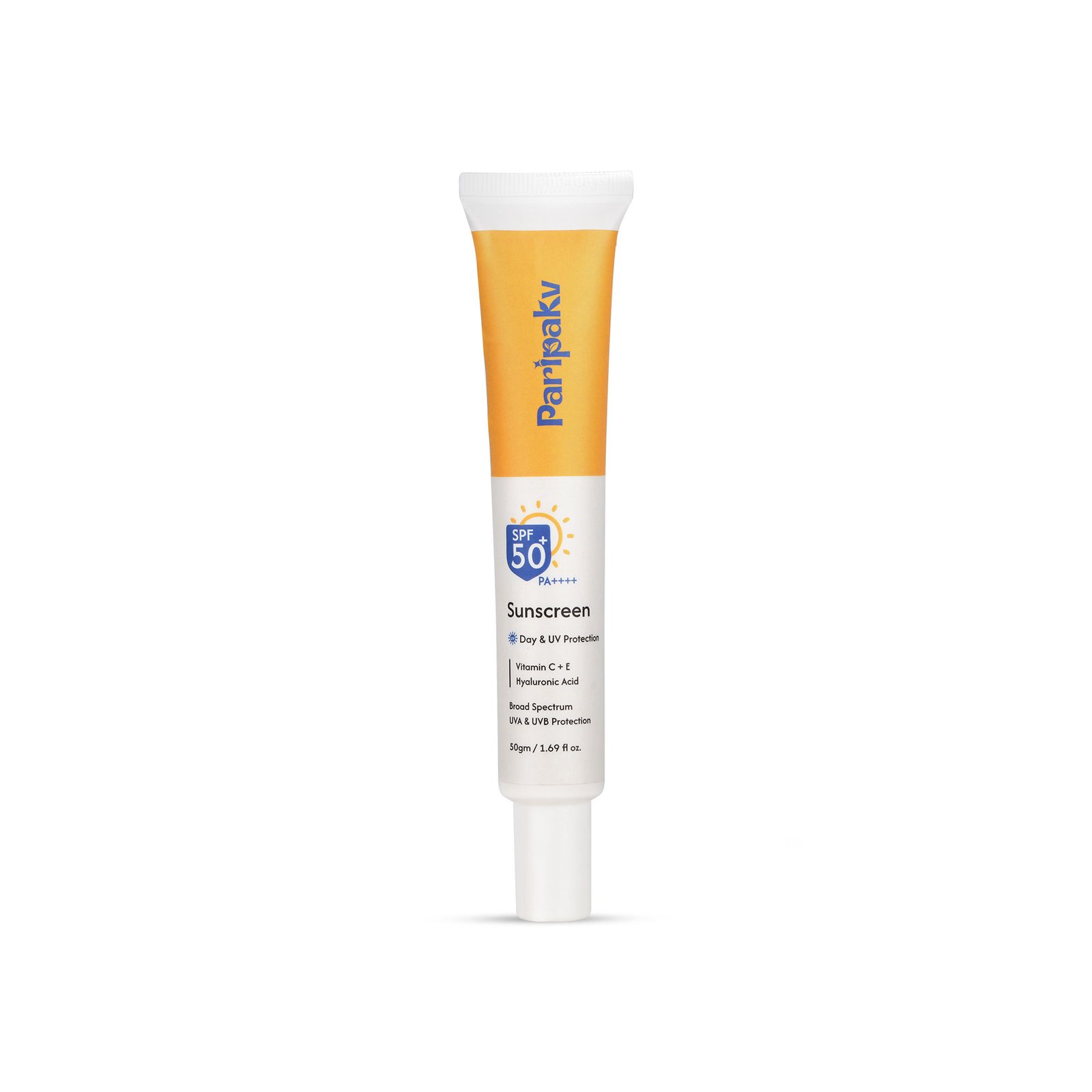
Sunscreen: Your Best Anti-Aging Investment
If you're serious about skincare, sunscreen isn't just recommended—it's non-negotiable. Here's the truth: sunscreen prevents more skin damage than any other product you'll ever use. It's your ultimate anti-aging weapon.
What Does UV Do to Your Skin?
UV rays penetrate your skin, damaging collagen and elastin fibers. This damage accumulates over time, causing:
- Premature wrinkles and fine lines
- Dark spots and hyperpigmentation
- Sagging and loss of elasticity
- Rough texture
- Skin cancer
The Numbers Will Shock You
- 80% of visible aging is caused by UV exposure
- One sunburn in childhood doubles melanoma risk
- 15% of people who never wear sunscreen develop skin cancer
- UV damage is cumulative – it adds up over years
SPF Explained
SPF = Sun Protection Factor. It measures protection against UVB rays (the ones that cause burns).
- SPF 15 = blocks 93% of UVB rays
- SPF 30 = blocks 97% of UVB rays
- SPF 50 = blocks 98% of UVB rays
- SPF 100+ = blocks 99% of UVB rays
Translation: SPF 50 and SPF 100 are almost equally protective. Higher SPF doesn't mean proportionally more protection.
UVA vs UVB: What's the Difference?
- UVB: Causes burns, blocked by SPF rating
- UVA: Causes aging (wrinkles, dark spots), penetrates deeper
For complete protection, choose "broad-spectrum" sunscreen, which blocks both UVA and UVB.
The Golden Rules of Sunscreen
1. Use Enough
Most people use too little sunscreen. The recommendation: quarter-sized amount for your entire face (about 1/4 teaspoon). Using less? You're getting significantly less protection.
2. Reapply Every 2 Hours
Sunscreen wears off. After swimming, sweating, or 2 hours of activity, reapply. This is non-negotiable for beach days.
3. Apply 15 Minutes Before Sun Exposure
Give sunscreen time to absorb and create a protective barrier. Don't apply right before walking out the door.
4. Use Daily, Even on Cloudy Days
80% of UV rays penetrate clouds. Even on overcast days, UV damage accumulates. Make daily SPF a habit.
5. Don't Forget Often-Missed Areas
Most people miss ears, the back of their neck, part of their hair line, and the tops of their feet. These areas show sun damage quickly.
Sunscreen Types: Chemical vs Physical
Chemical Sunscreen
How it works: Absorbs UV rays and converts them to heat
Pros: Lightweight, blends easily, no white cast
Cons: Can cause irritation in sensitive skin, takes 15 min to work
Physical (Mineral) Sunscreen
How it works: Reflects/scatters UV rays
Pros: Works immediately, gentler on sensitive skin
Cons: Can leave white cast, thicker formula
Best choice for Indian skin: Physical sunscreen like Paripakv SPF 50+, which has no white cast and is lightweight.
Sunscreen + Other Skincare
Sunscreen works best as part of a complete routine:
- Vitamin C Serum + Sunscreen: Double antioxidant protection. Vitamin C works inside, sunscreen works outside.
- Moisturizer + Sunscreen: Use moisturizer first, then sunscreen. This layering doesn't reduce effectiveness.
- Makeup + Sunscreen: Apply sunscreen, wait 5 minutes for it to set, then apply makeup as usual.
Common Sunscreen Myths (Debunked)
Myth: "I don't need sunscreen on cloudy days"
Fact: 80% of UV rays penetrate clouds. Use sunscreen daily, rain or shine.
Myth: "Sunscreen with SPF causes vitamin D deficiency"
Fact: You get adequate vitamin D from food and incidental sun exposure. Health benefits of sunscreen far outweigh vitamin D concerns.
Myth: "Higher SPF = much better protection"
Fact: SPF 30 blocks 97%, SPF 50 blocks 98%. Minimal difference. Consistency matters more than SPF number.
Myth: "Sunscreen causes acne"
Fact: Most modern sunscreens are non-comedogenic. If you break out, it's usually the specific brand, not sunscreen itself.
Long-Term Results: Before & After
5-year study findings:
- Daily SPF 50 users had 40% fewer wrinkles
- Daily SPF 50 users had 50% fewer dark spots
- Daily SPF 50 users had significantly more elastic, youthful skin
The Paripakv SPF 50+ Difference
Our sunscreen is specifically formulated for Indian skin:
- Physical (mineral) filters – no harsh chemicals
- Lightweight in hot, humid climate
- No white cast on all skin tones
- Water resistant for 80 minutes
- Includes niacinamide for added skin barrier support
Final Thoughts: Make Sunscreen Non-Negotiable
Sunscreen is the single most effective anti-aging product available. It prevents more damage than any active ingredient (including Vitamin C and retinol). While those products treat existing damage, sunscreen prevents new damage from forming.
Think of it as an investment: spend ₹369 on daily sunscreen, or much more on corrective treatments later. The math is simple.
Make this your skincare mantra: Cleanser → Active Serums → Moisturizer → SPF 50+